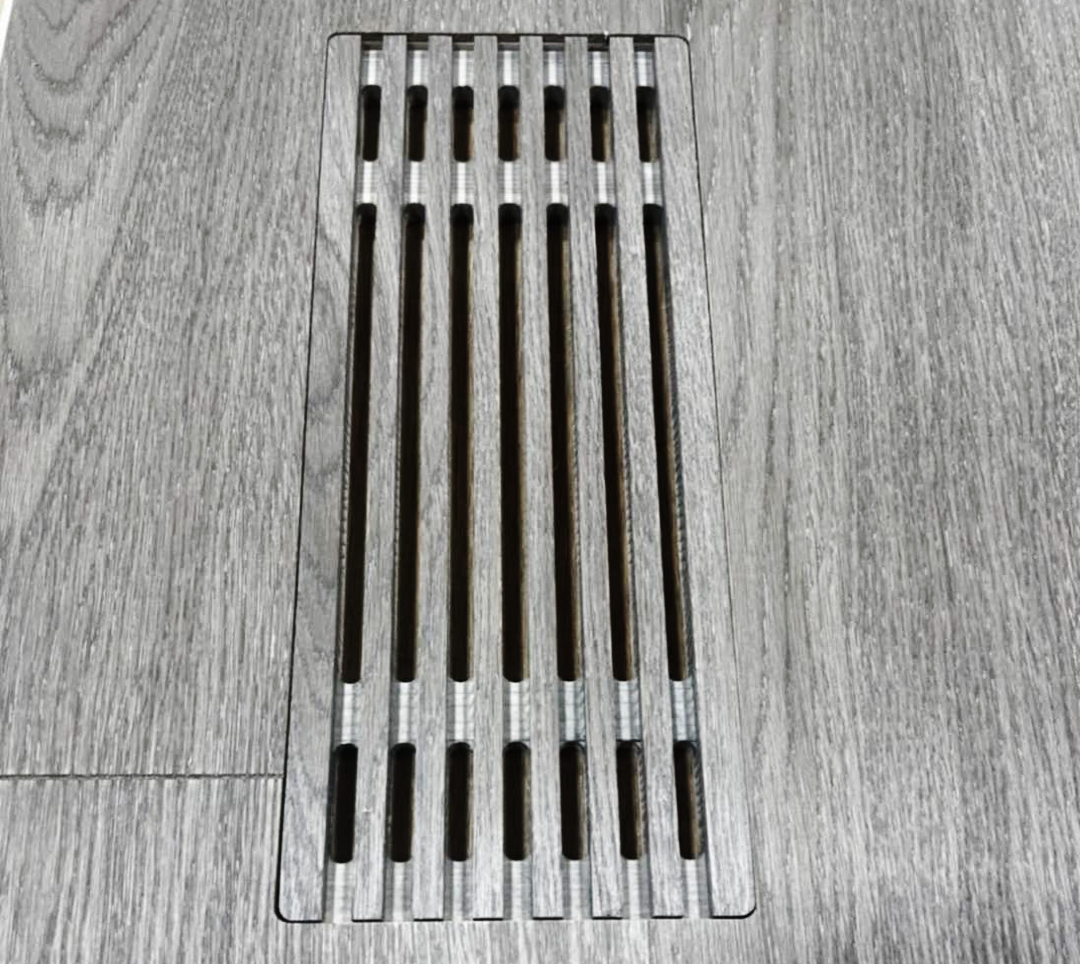
Hardwood Floor Registers and Flush Mount Vents
When designing a luxury interior, true sophistication lies in the details. Homeowners invest thousands of dollars in premium wood, precise subfloor leveling, and custom stains to achieve a seamless, continuous look underfoot. However, nothing breaks up the visual flow of a gorgeous wood floor faster than a stamped metal or cheap plastic HVAC vent cover.
Integrating custom hardwood floor registers into your layout provides essential climate-control ventilation while matching the exact material, color, and grain of your surrounding floor. This architectural approach keeps your heating and cooling vents naturally hidden, maintaining a flawless, uninterrupted aesthetic.
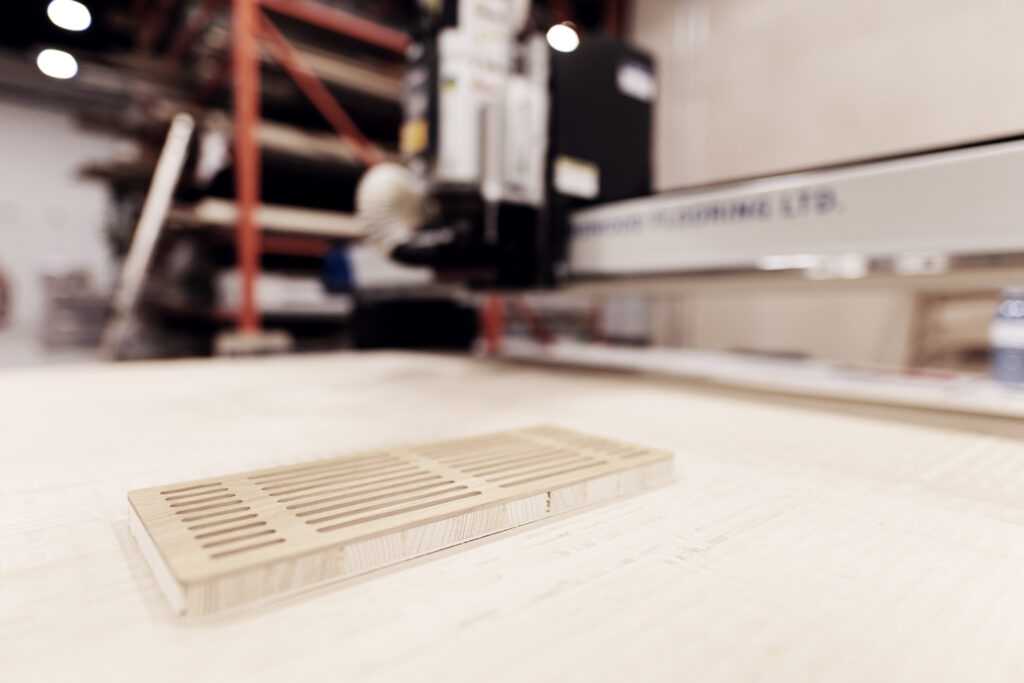
The Design Evolution: Drop-In vs. Flush Mount Registers
When selecting wood vent covers for a residential build or renovation project, you must choose between two distinct structural designs. Each style offers unique visual profiles and installation requirements.
- Flush Mount Hardwood Registers
Flush mount vents represent the pinnacle of luxury flooring design. They sit perfectly level with the surrounding wood planks, creating a completely flat, trip-free surface.
- The Installation Window: These must be installed at the same time as your hardwood flooring. The installer cuts the surrounding planks precisely around the register frame.
- The Visual Impact: Because they sit completely flush, they blend seamlessly into the floor plane. They are ideal for high-traffic zones, hallways, and open-concept spaces where a smooth transition is paramount.
- Drop-In (Overlapping) Wood Registers
Drop-in registers feature a self-rimming design with a slight overlapping lip that rests directly on top of the finished floor surface.
- The Installation Window: These can be installed at any time, making them perfect for retrofitting existing homes or replacing old metal grates. You simply drop them directly into the pre-cut duct opening.
- The Visual Impact: While they sit slightly proud of the floor surface, opting for a matching wood species rather than metal still dramatically tones down the visual clutter of the room.
Selecting the Right Material: Matching Species and Cuts
A wooden vent cover will only look natural if it matches the structural traits of your flooring. Using a generic wood register can create an mismatched look that defeats the purpose of a hidden vent.
Consider these critical matching factors when ordering custom registers:
- The Wood Species: Ensure your vents are manufactured from the identical wood family as your floor, whether that is domestic White Oak, Red Oak, Hard Maple, American Cherry, or exotic species like Brazilian Walnut (Ipe).
- The Grain Pattern: Wood appearance changes based on how the log is milled. If your premium floor features straight, vertical grain lines from riftsawn or quartersawn cuts, your vent slats should match that refined linear texture rather than wide, wild plainsawn cathedral patterns.
- The Thickness Metric: Ensure the frame depth matches your flooring profile exactly—typically 3/4-inch for solid planks, or 1/2-inch and 5/8-inch for engineered variants.
Structural Benefits Beyond Aesthetics
Switching from traditional metal grates to premium wood registers provides several functional advantages that improve daily living conditions:
- No More Stubbed Toes: Flush mount designs eliminate protruding metal edges, creating a safer environment for bare feet, crawling toddlers, and robotic vacuums.
- Silence and Stability: Metal vents often rattle, click, or hum when your furnace or air conditioner kicks on. Heavy-duty hardwood registers fit tightly into the floor grid, dampening acoustic vibrations.
- Corrosion Resistance: In high-moisture zones like bathrooms, kitchens, or entryways, steel registers can rust over time and stain the surrounding wood. Hardwood components will never rust.
Pro-Tips for Finishing and Maintaining Wood Vents
To keep your hidden floor registers looking pristine and operating safely, incorporate these professional care guidelines into your routine:
Finishing for an Invisible Blend
If you are installing site-finished solid wood floors, always leave your flush mount register frames and removable louvers in place during the final sanding and staining process. Applying the exact same stain coat and polyurethane sheen across both the planks and the vent slats ensures a flawless color match that ambers and ages at the exact same rate over the years.
Airflow and Damper Management
Ensure your custom wooden registers are equipped with adjustable multi-shutter dampers or air-flow sliders on the underside. This allows you to regulate room temperatures by opening or closing air volumes without sacrificing the organic wood look on the surface.
Regular Cleaning Protocols
Dust, pet hair, and debris naturally settle into floor vent slats over time. Periodically lift the removable inner grille out of its frame to vacuum out the duct boot. Clean the wooden slats using a dry microfiber cloth or a damp cloth with specialized wood cleaner; never soak the vent components in water, which can cause the thin louvers to warp.

Frequently Asked Questions
Can wood floor registers handle heavy foot traffic or furniture weight?
Yes. Premium hardwood registers are engineered with thick, interlocking slats supported by structural tongue-and-groove frames. When installed correctly over a sound subfloor, high-quality wood vents can easily support normal foot traffic and heavy household furniture without cracking.
Are wood vents safe to use with high-velocity heating systems?
Absolutely. High-quality wood vent covers are kiln-dried to a low moisture content (typically between 6% and 9%) before manufacturing. This thermal stabilization ensures the wood can withstand continuous exposure to hot furnace air or dry air conditioning cycles without drying out, shrinking, or splitting.
What are standard duct opening sizes for residential floor registers?
The most common residential HVAC duct openings measure 2×10 inches, 4×10 inches, and 4×12 inches. Always measure the actual interior dimensions of the metal duct boot opening in your subfloor, rather than measuring the exterior faceplate of your old vent cover, to ensure a perfect fit.
Final Thoughts: The Ultimate Invisible Upgrade
True luxury design is achieved when essential mechanical components disappear into your home’s architecture. Upgrading to flush mount or drop-in hardwood floor registers replaces cold, industrial metal grates with the warm, organic texture of your chosen hardwood, delivering a beautifully unified space.